Official Competition Rules

Humanoid Standard Regulation

World Robot League — robot specifications, weight classes and inspection standards for all humanoid events.

📄 Official PDF (EN)🗓 Revision: Ver 25.06.28📑 Korean original (HWP)

Verification of Regulations — Sangbok Park, Chief Judge of IREA

1Weight Class

1-1. Weight class

ClassWeight class
MinimumCommercial products and self-made robots under 0.7 kg
FlyweightCommercial products and self-made robots under 1.0 kg + minimum class standard robots
BantamweightCommercial products and self-made robots under 1.5 kg + flyweight class standard robots
FeatherweightCommercial products and self-made robots under 1.7 kg + bantamweight class standard robots
LightweightCommercial products and self-made robots under 2.0 kg + featherweight class standard robots
MiddleweightCommercial products and self-made robots 2.7 kg or less + lightweight class standard robots
HeavyweightSelf-made robots under 3.5 kg and middleweight robots + middleweight class standard robots
1-1-1The weight tolerance for "robot specifications" allows a deviation of up to +3g.
1-1-2You may compete in a weight class one level higher while maintaining the robot specifications of one weight class below.

1-2. Commercial products

For other commercial products, please inquire.

ClassCommercial products
MinimumKKOK-DU, Meebot Etc
FlyweightWithinno HURO, LINE-Core m, ROBOTIS MINI, RQ-HUNO, Alpha Mini Etc
BantamweightROBOTIS ENGNEER MAX-E1, MF-17ST, 5720T-FMT, IRH-100, ROMANBO Etc
FeatherweightROBOTIS ENGNEER MAX-E2, Tonybot, Alpha E1 Etc
LightweightSTEAMCUP PREMIUM, ROBOTIS GP, TINYWAVE, TINYWAVE F, TINYWAVE AF, ROBOTIS ENGNEER MAX-E2, VH-19 IMMOTAL Etc
MiddleweightKHR-3HV, PLUTO, Super Anthony, MK I~III Etc
1-2-1"Pre-made products" can participate in the corresponding weight class regardless of robot specifications. Pre-made products refer to commercially available robots in their original state. Changes such as batteries, cables, communication components and cosmetic modifications that do not alter performance are permissible. Any modifications beyond these criteria fall under the "self-made" category and must comply with the robot specifications regulations for participation.

1-3. Motor specifications

1-3-1Motor torque limit: stall torque should be within 11.1~12V, 1.4~1.5A. For other motors, please inquire.
ClassStall torqueTypes of motors
Minimum0.3N·m or lessKittenbot LEGO Geek, XL330-M077, JRS201 Etc
Flyweight0.6N·m or lessIncluding motors for minimum class and below; LSM-micro, XL-320, SAM-3, XL330-M288, SG90 Etc
Bantamweight1.5N·m or lessIncluding motors for flyweight class and below; AX-12A, WCK-1108T, WCK-1111T, MRS-D2009SP, IRS-430, XC330, XL430, 2XL430, 2Kg UBTECH Etc
Featherweight1.5N·m or lessIncluding motors for bantamweight class and below; AX-12A, WCK-1108T, WCK-1111T, MRS-D2009SP, IRS-430, XC330, XL430, 2XL430, 2Kg UBTECH Etc
Lightweight1.9N·m or lessIncluding motors for featherweight class and below; AX-18A, XC430, VTS-19, LX-824HV, 3Kg UBTECH Etc
Middleweight6.0N·m or lessIncluding motors for lightweight class and below; MX-28, MX-64, XM430, XH430, XW430, XD430, KRS-2572R2HV, JS-R7, CAS-4880, CAS-5570, CAS-6550, AX-01, IQ4516HV Etc
Heavyweight8.4N·m or lessIncluding motors for middleweight class and below; MX-106, XM540, XH540, XW540, XD540 Etc
1-3-2Motors are considered the most critical components for determining weight classes; therefore, any replacement or modification of parts for performance enhancement is strictly prohibited. Such actions are deemed serious violations that severely compromise fairness.
1-3-3If the torque and speed of a motor are difficult to judge visually, the judges may request verification through firmware checks and internal inspection of the motor. Participants are expected to cooperate fully in such cases.

2Specifications Inspection

2-1. Robot specifications inspection

2-1-1All robots participating in the competition must complete the specifications inspection within the allotted time. If a robot fails to pass the inspection, it will be disqualified according to the inspection regulations.
2-1-2If changes or modifications are required after the inspection, the robot must be revised and re-inspected within the inspection time. Failure to comply will result in disqualification.
2-1-3For a prompt and accurate check, the inspection will be conducted with the power on and the robot fixed in the "inspection posture" (see the specification reference figures). Any measurement errors caused by the robot not being properly fixed are the responsibility of the participant. Controllers should be brought if necessary.

2-2. Inspection penalty

2-2-1If modifications to meet the specifications are not possible due to a participant's error, participation may be permitted within a "total sum ±10%" limit under the agreement of the judges during the inspection.
2-2-2When the above penalty applies, the participant competes with a handicap of approximately 70% or more in all matches (for battle events, 3 downs or more). In the event of a tie, the penalized participant is considered the loser without overtime.
2-2-3When the judges disapprove, or if a majority of participants object, the participant will be disqualified.

3Robot Specifications

The allowable tolerance for exceeding any robot specification length is +1mm. During the specification inspection, the robot must have its power turned on and be in the specified posture.
2-3-1Robot base platform — humanoid robots with a structure similar to humans (head, torso, arms and legs) are eligible to participate only if they meet the robot specifications regulations.
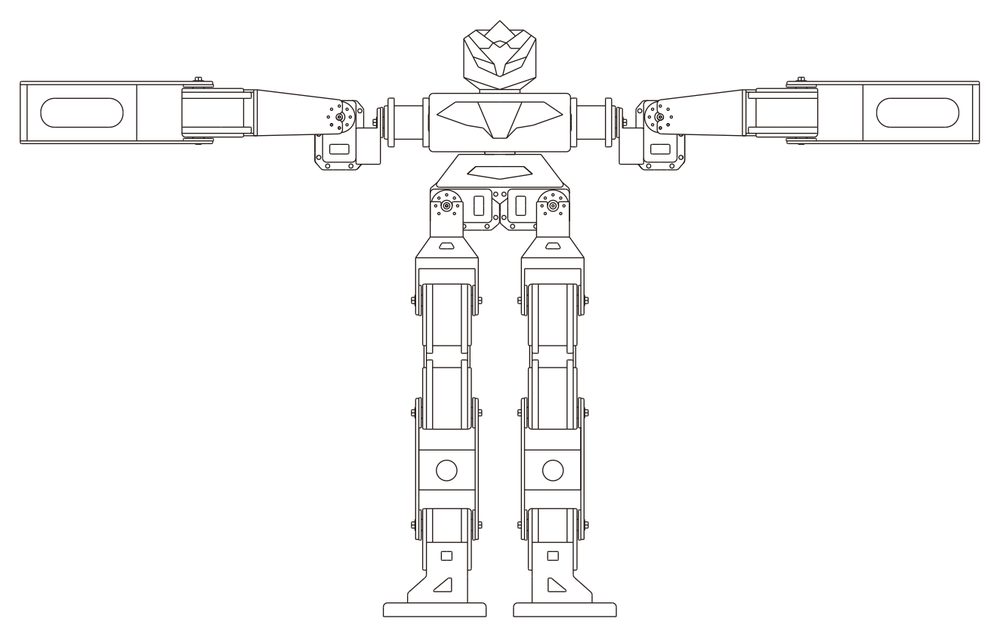
2-3-2The height of the robot is measured as the straight-line distance from the top of the head to the bottom of the feet.
2-3-3The "specification posture" height is measured when the robot is fully extended.
ClassHeight limit in the specification posture
Minimum300mm or less
Flyweight300mm or less
Bantamweight400mm or less
Featherweight400mm or less
Lightweight400mm or less
Middleweight470mm or less
Heavyweight500mm or less
Fig. ❶ Specification posture — during inspection the robot must be powered on and held in this posture.
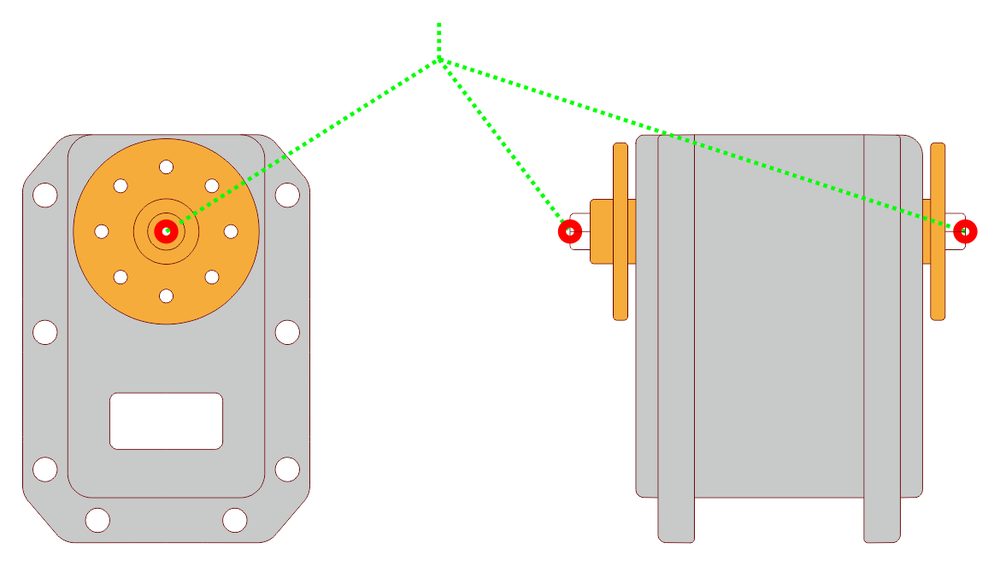
Fig. ❷ Specification reference point — measurements are taken from the motor rotating axis.

Chest length

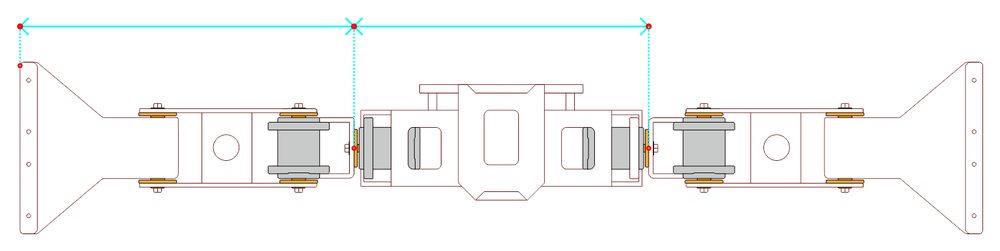
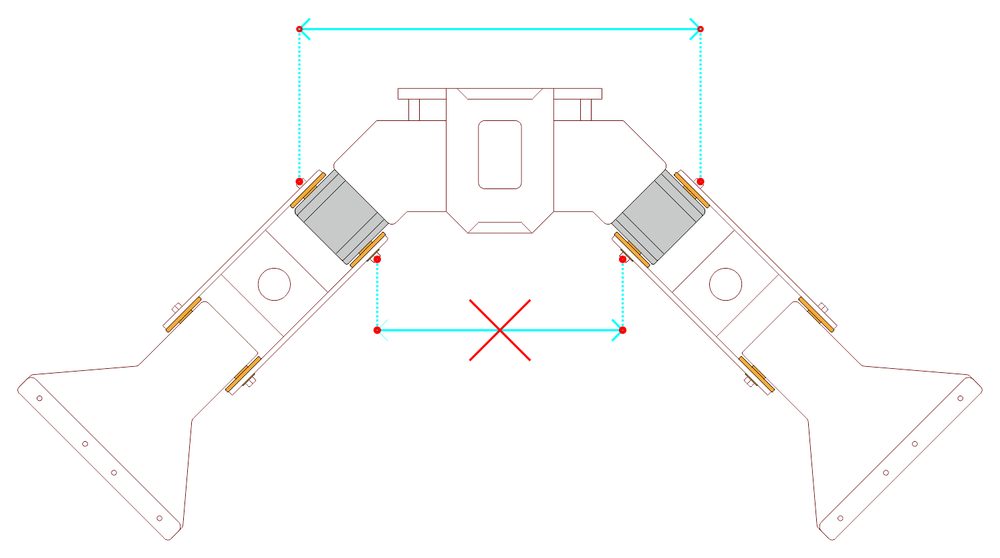
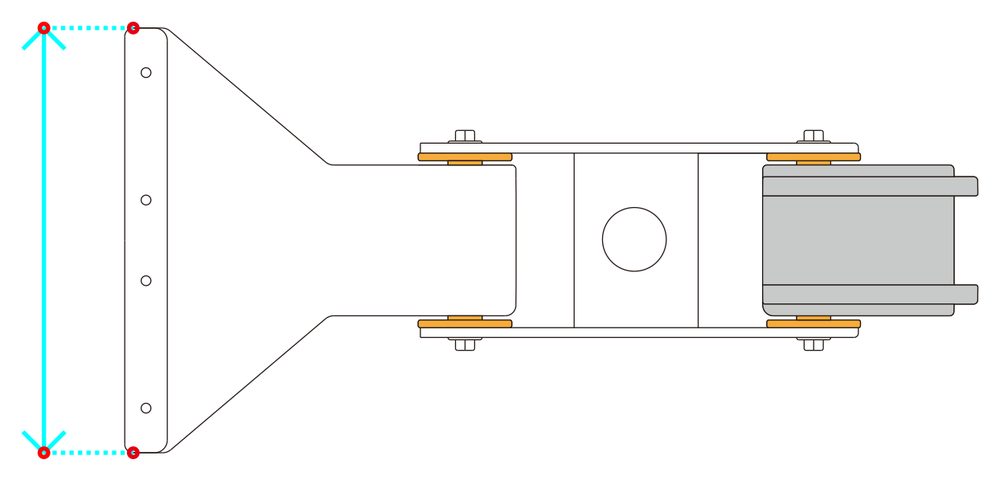
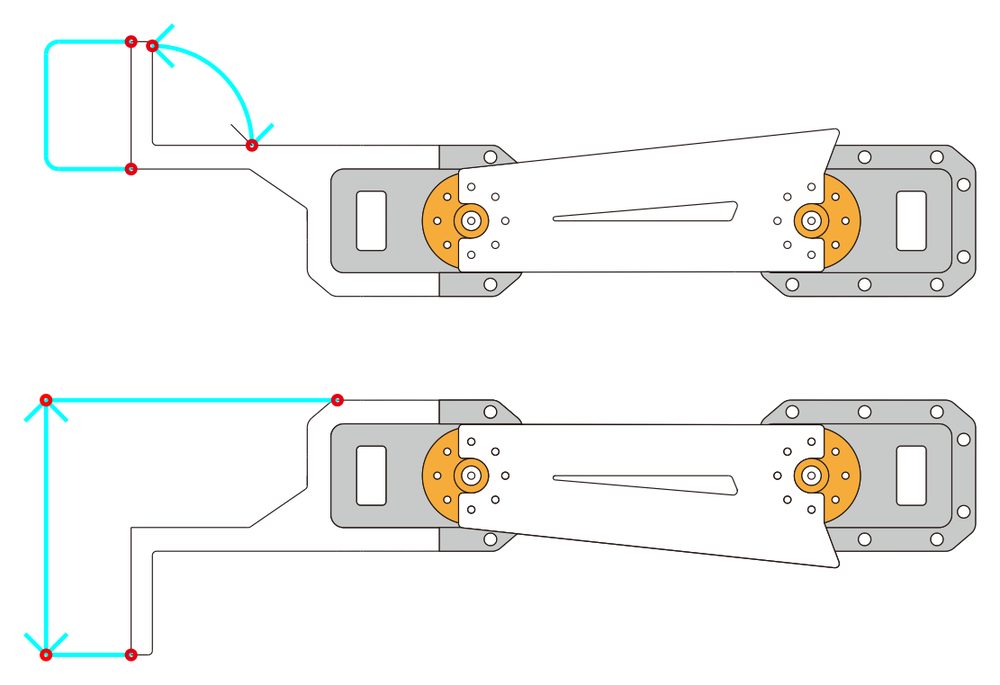
2-3-4Chest length is measured as the straight-line distance between the outermost shoulder motor axes of the torso. For vertical arm structures, measure between the rotating hub and arm frame boundary; for horizontal arm structures, measure between the shoulder motor axes.
ClassChest length limit
Minimum100mm or less
Flyweight100mm or less
Bantamweight120mm or less
Featherweight120mm or less
Lightweight120mm or less
Middleweight160mm or less
Heavyweight180mm or less
Fig. ❸ Chest length and arm length of a vertical arm structure.
Fig. ❹ Chest length of a horizontal arm structure (single-joint shoulder). Please email us with photos attached for inquiries regarding other unique structures.

Arm length & arm span

2-3-5Arm length is measured as the straight-line distance from the shoulder axis adjacent to the chest to the fingertips, and the condition must be met in both "arms parallel" and "arms extended" postures.
2-3-6Arm span is measured as the straight-line distance across the thickest part of the robot arm.
ClassArm length limitArm span limit
Minimum160mm or less60mm or less
Flyweight160mm or less60mm or less
Bantamweight200mm or less60mm or less
Featherweight200mm or less60mm or less
Lightweight200mm or less60mm or less
Middleweight230mm or less80mm or less
Heavyweight240mm or less100mm or less

Fingertips

2-3-7The fingertip size is measured as the straight-line length of the fingertip area capable of attacking opponent robots. When using grippers, each fingertip must be manufactured according to specifications, and the maximum extended size cannot exceed the arm span limit.
ClassFingertip length limitFingertip height limitFingertip angle limit
Minimum60mm or less30mm or less90° or more
Flyweight60mm or less30mm or less90° or more
Bantamweight60mm or less30mm or less90° or more
Featherweight60mm or less30mm or less90° or more
Lightweight60mm or less30mm or less90° or more
Middleweight100mm or less30mm or less90° or more
Heavyweight100mm or less30mm or less90° or more
Fig. ❺ Length of fingertips and width of the arm seen from the front.
Fig. ❻ Height and angle of fingertips, and width of the arm seen from the side.

Upper body

2-3-8The length of the upper body is measured as the straight-line distance from the shoulder axis to the front-and-rear axis adjacent to the chest.
ClassUpper body length limit
Minimum90mm or more
Flyweight90mm or more
Bantamweight100mm or more
Featherweight100mm or more
Lightweight100mm or more
Middleweight120mm or more
Heavyweight130mm or more

Lower body & legs

2-3-9The length of the lower body is measured as the straight-line distance from the front-and-rear axis adjacent to the upper body to the bottom of the foot. For legs constructed with a linkage structure, it is measured from the top front-and-rear axis directly connected to the motor to the bottom of the foot.
ClassLower body lengthFrontal width of the legsLateral width of the legs
Minimum110~140mm70mm or less70mm or less
Flyweight110~140mm70mm or less70mm or less
Bantamweight180~230mm100mm or less100mm or less
Featherweight180~230mm100mm or less100mm or less
Lightweight180~230mm100mm or less100mm or less
Middleweight230~270mm110mm or less110mm or less
Heavyweight270~300mm110mm or less110mm or less
2-3-10Leg motor position — in the specification posture viewed from the front, all motors of the lower body and the soles of the feet must be positioned along the vertical axis of the pelvic motor center.
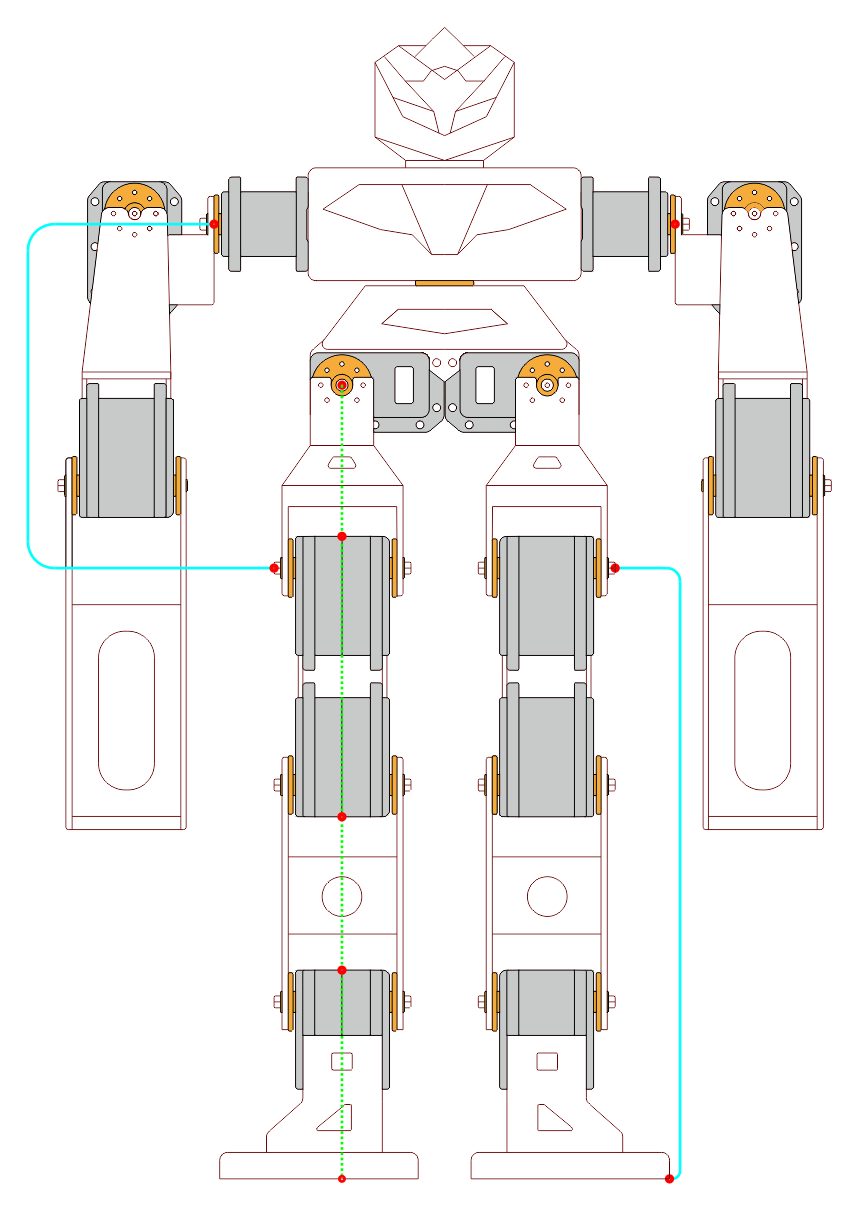
Fig. ❼ Length of the upper and lower body, and the vertical axis of the legs.

Sole of the foot

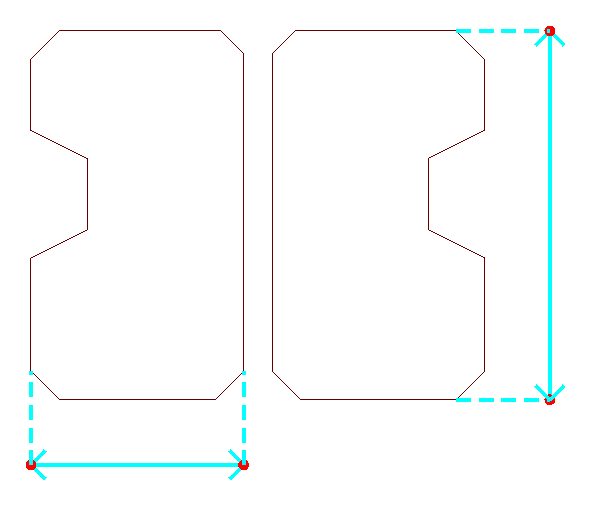
2-3-11The maximum straight-line horizontal and vertical dimensions of the portion of the foot touching the ground are measured. The sides of the sole should be designed with caution so that they do not touch the ground of the playing field during walking, attacking and defending.
ClassSole length limitSole width limit
Minimum100mm or less60mm or less
Flyweight100mm or less60mm or less
Bantamweight105mm or less65mm or less
Featherweight105mm or less65mm or less
Lightweight110mm or less70mm or less
Middleweight120mm or less75mm or less
Heavyweight130mm or less80mm or less
Fig. ❽ Size of the sole of the foot — sole length and sole width.

Pelvic length & head

2-3-12Pelvic length — measured as the straight-line distance between the left and right axes of the legs adjacent to the upper body.
ClassPelvic length limit
Minimum80mm or less
Flyweight80mm or less
Bantamweight90mm or less
Featherweight90mm or less
Lightweight90mm or less
Middleweight100mm or less
Heavyweight100mm or less
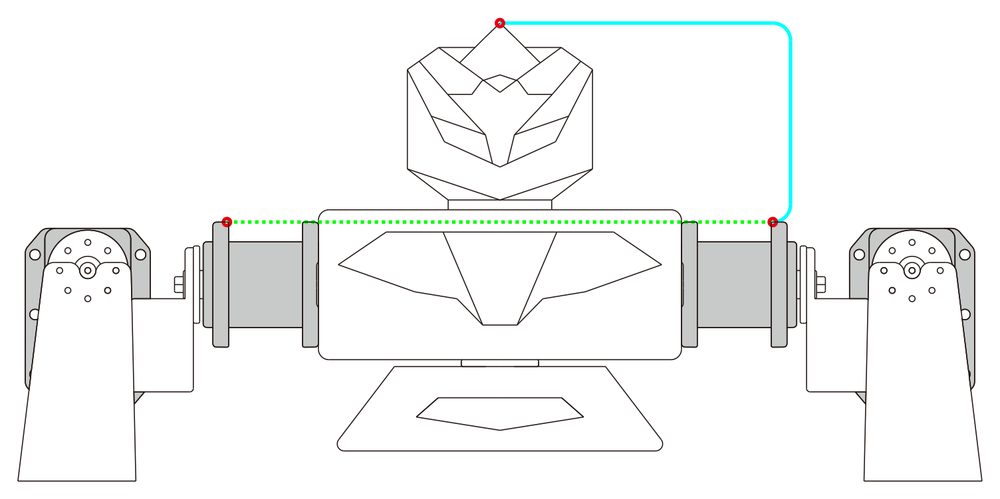
2-3-13Head size — the head is measured from the topmost end of the motor located at the chest or shoulder, whichever is higher. Minimum dimensions (W × H × D): 30 × 30 × 20mm for Minimum through Lightweight, and 30 × 30 × 30mm for Middleweight and Heavyweight.
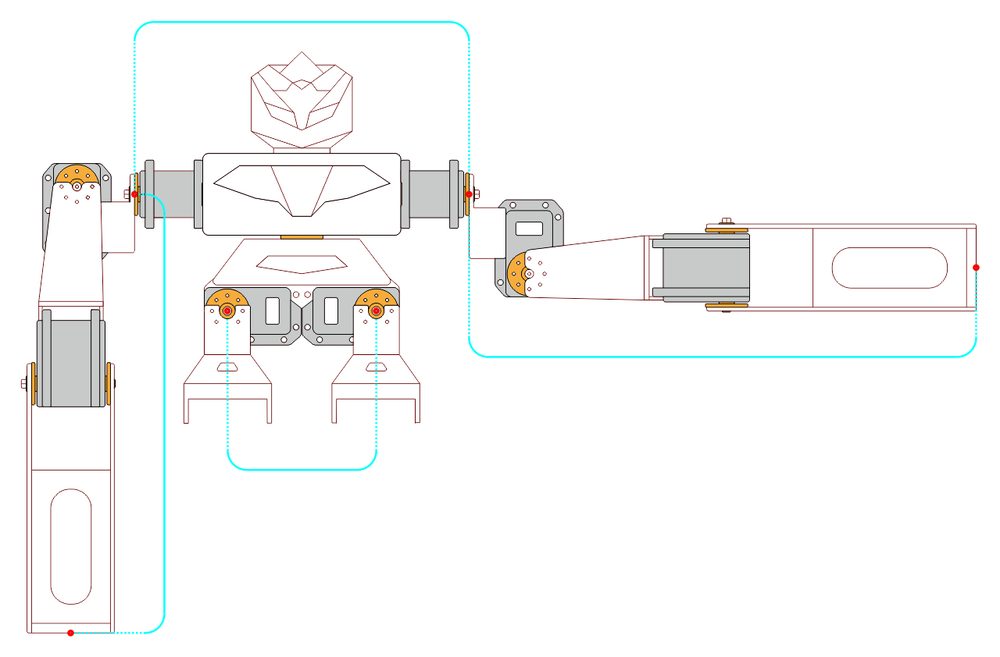
Fig. ❾ Pelvic length together with vertical and horizontal arm length.
Fig. ❿ Head size and the position of the head.

4Manufacturing, Power & Communication

3-1. Other specifications and manufacturing conditions

3-1-1The robot must be pre-manufactured according to the specified standards and specifications for participation.
3-1-2If the robot malfunctions before the start of the match and cannot operate, repairs and parts replacement are allowed within 2 minutes, subject to the referee's decision.
3-1-3Robot surface — the fingertips must not use un-anodized (electrically conductive) components and must not have sharp or pointed edges that can scratch human skin. Joints in the fingertips or folding joints must be rounded and maintained in a rounded shape throughout the match. If adhesive materials are used on the fingertips, they must be removable without damaging either the adhesive or the paper when an A4 sheet is attached and removed.
Other robot restrictions — robots with sharp or pointed parts, knives, saw blades, high-speed rotating devices, lasers, electric shocks, adhesive structures, launching mechanisms, or those using water or fire are not allowed to participate. Robots that cause excessive damage to people, opposing robots, or the arena beyond what is necessary are also prohibited. (3-1-4)

3-2. Power specifications

3-2-1All batteries conforming to internationally recognized safety standards are permissible. However, the use of AC voltage, liquid fuels and combustion engines is prohibited for safety reasons.
3-2-2The use of personally assembled or modified batteries, as well as non-commercialized power sources, is prohibited.
3-2-3For the safety of participants, the use of inflated (swollen) batteries is strictly prohibited.
3-2-4The battery must be securely placed in the safest position within the robot's upper body. It must not be located in any part of the robot's lower body, even partially (battery cables excepted).
3-2-5The battery installed in the robot must be covered with a safety cover to prevent damage, and the cover should be designed for easy removal if necessary.
3-2-6In case of any issues with the battery installed in the robot, for safety reasons the robot may be immediately removed from the venue and disposed of, and the participant is responsible for any consequences arising from this action.
3-2-7When charging and storing batteries, it is mandatory to use a "Li-Po Guard Safe Bag."
3-2-8If separate charging is necessary within the arena, it must be conducted under the supervision of a guardian. Only chargers equipped with a balance-charging function may be used, and charging must be done at a slow rate of 1A or below. It is strictly prohibited to charge batteries within the arena or accommodation facilities in violation of these rules.
3-2-9Battery charging is only permitted at designated locations, and charging on the floor is strictly prohibited. When charging on a desk, it is mandatory to pack the battery in a Li-Po Guard Safe Bag with at least two layers of protection. All participants are strongly advised to wear safety goggles during this process.
3-2-10Robots that violate the power specifications cannot participate. The participant is responsible for all damages and recovery efforts resulting from failure to comply with the above regulations.
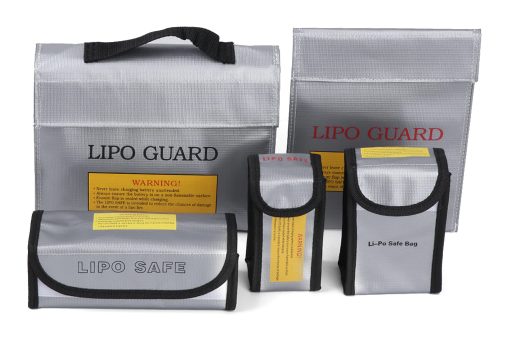
Fig. ⓫ Li-Po Guard Safe Bag — mandatory when charging and storing batteries.

3-3. Communication specifications

3-3-1All wireless communication methods except wired communication are allowed. However, intentional interference with the operation of opponents through communication is strictly prohibited.

5Disqualification Regulations

4-1-1Participating in a match using another participant's robot.
4-1-2Refusing to comply with referee instructions or decisions.
4-1-3Violations of the robot specifications during the match.
4-1-4Leaving the arena or designated waiting area without permission from the referee.
4-1-5Using profanity or engaging in violent behavior.
4-1-6Engaging in any unsportsmanlike behavior or actions that disrupt the course of the match.
4-1-7Being unable to participate even after all other participants' matches have concluded.
4-1-8If a participant is disqualified, their performance in the match will not be recognized.
4-1-9If a team or participant is disqualified or intentionally undermines fairness, the IREA reserves the right to permanently revoke their eligibility to participate in IREA-sanctioned tournaments through a council meeting.
※ The regulations for this competition may be subject to future revisions. Please check periodically for updates.

Inquiries

Please send inquiries to robot-league@naver.com or contact the association representative, Daewon LEE, on WhatsApp at +82 10 2604 3782.

공식 경기 규정

휴머노이드 표준 규정

월드로봇리그 — 휴머노이드 전 종목에 적용되는 로봇 규격·체급·검차 기준입니다.

📄 공식 규정 원문 PDF (영문)🗓 개정판: Ver 25.06.28📑 국문 규정 원문 (HWP)

규정 검증 — IREA 심판위원장 박상복

1체급

1-1. 체급 구분

체급체급 기준
미니멈급시판 제품 및 자작 로봇 0.7kg 미만
플라이급시판 제품 및 자작 로봇 1.0kg 미만 + 미니멈급 표준 로봇
밴텀급시판 제품 및 자작 로봇 1.5kg 미만 + 플라이급 표준 로봇
페더급시판 제품 및 자작 로봇 1.7kg 미만 + 밴텀급 표준 로봇
라이트급시판 제품 및 자작 로봇 2.0kg 미만 + 페더급 표준 로봇
미들급시판 제품 및 자작 로봇 2.7kg 이하 + 라이트급 표준 로봇
헤비급자작 로봇 3.5kg 미만 및 미들급 로봇 + 미들급 표준 로봇
1-1-1로봇 규격의 중량 허용 오차는 최대 +3g입니다.
1-1-2한 체급 아래의 로봇 규격을 유지한 상태로, 한 단계 높은 체급에 출전할 수 있습니다.

1-2. 시판 제품(완제품)

목록에 없는 시판 제품은 사무국에 문의해 주세요.

체급시판 제품
미니멈급KKOK-DU, Meebot Etc
플라이급Withinno HURO, LINE-Core m, ROBOTIS MINI, RQ-HUNO, Alpha Mini Etc
밴텀급ROBOTIS ENGNEER MAX-E1, MF-17ST, 5720T-FMT, IRH-100, ROMANBO Etc
페더급ROBOTIS ENGNEER MAX-E2, Tonybot, Alpha E1 Etc
라이트급STEAMCUP PREMIUM, ROBOTIS GP, TINYWAVE, TINYWAVE F, TINYWAVE AF, ROBOTIS ENGNEER MAX-E2, VH-19 IMMOTAL Etc
미들급KHR-3HV, PLUTO, Super Anthony, MK I~III Etc
1-2-1완제품(시판 제품)은 로봇 규격과 관계없이 해당 체급에 출전할 수 있습니다. 완제품이란 시판 상태 그대로의 로봇을 말합니다. 배터리·케이블·통신 부품 교체나 성능에 영향을 주지 않는 외관 개조는 허용됩니다. 이 기준을 벗어난 개조는 "자작(자체 제작)"으로 분류되어 로봇 규격 규정을 준수해야 출전할 수 있습니다.

1-3. 모터 규격

1-3-1모터 토크 제한: 스톨 토크는 11.1~12V, 1.4~1.5A 범위 이내여야 합니다. 그 외 모터는 문의해 주세요.
체급스톨 토크모터 종류
미니멈급0.3N·m 이하Kittenbot LEGO Geek, XL330-M077, JRS201 Etc
플라이급0.6N·m 이하미니멈급 이하 모터 포함; LSM-micro, XL-320, SAM-3, XL330-M288, SG90 등
밴텀급1.5N·m 이하플라이급 이하 모터 포함; AX-12A, WCK-1108T, WCK-1111T, MRS-D2009SP, IRS-430, XC330, XL430, 2XL430, 2Kg UBTECH 등
페더급1.5N·m 이하밴텀급 이하 모터 포함; AX-12A, WCK-1108T, WCK-1111T, MRS-D2009SP, IRS-430, XC330, XL430, 2XL430, 2Kg UBTECH 등
라이트급1.9N·m 이하페더급 이하 모터 포함; AX-18A, XC430, VTS-19, LX-824HV, 3Kg UBTECH 등
미들급6.0N·m 이하라이트급 이하 모터 포함; MX-28, MX-64, XM430, XH430, XW430, XD430, KRS-2572R2HV, JS-R7, CAS-4880, CAS-5570, CAS-6550, AX-01, IQ4516HV 등
헤비급8.4N·m 이하미들급 이하 모터 포함; MX-106, XM540, XH540, XW540, XD540 등
1-3-2모터는 체급을 결정하는 가장 핵심적인 부품이므로, 성능 향상을 위한 부품 교체·개조는 엄격히 금지됩니다. 이는 공정성을 심각하게 해치는 중대한 위반 행위로 간주됩니다.
1-3-3모터의 토크·속도를 육안으로 판단하기 어려운 경우, 심판진은 펌웨어 확인 및 모터 내부 검사를 통한 검증을 요청할 수 있습니다. 참가자는 이에 성실히 협조해야 합니다.

2규격 검차

2-1. 로봇 규격 검차

2-1-1대회에 참가하는 모든 로봇은 정해진 시간 내에 규격 검차를 완료해야 합니다. 검차를 통과하지 못한 로봇은 검차 규정에 따라 실격 처리됩니다.
2-1-2검차 후 로봇의 변경·수정이 필요한 경우, 검차 시간 내에 수정 후 재검차를 받아야 합니다. 이를 지키지 않으면 실격 처리됩니다.
2-1-3신속하고 정확한 검차를 위해, 검차는 전원을 켠 상태에서 로봇을 "검차 자세"로 고정하여 진행합니다(규격 기준 그림 참조). 로봇이 제대로 고정되지 않아 발생하는 측정 오차는 참가자의 책임입니다. 필요한 경우 컨트롤러를 지참하세요.

2-2. 검차 페널티

2-2-1참가자의 착오로 규격에 맞는 수정이 불가능한 경우, 검차 시 심판진의 합의하에 "총합 ±10%" 한도 내에서 출전이 허용될 수 있습니다.
2-2-2위 페널티가 적용되는 경우, 해당 참가자는 모든 경기에서 약 70% 이상의 핸디캡(격투 종목의 경우 3다운 이상)을 안고 경기합니다. 동점일 경우 연장전 없이 페널티를 받은 참가자가 패자가 됩니다.
2-2-3심판진이 불허하거나 참가자 과반수가 반대하는 경우, 해당 참가자는 실격 처리됩니다.

3로봇 규격

로봇 규격 길이의 초과 허용 오차는 +1mm입니다. 규격 검차 시 로봇은 전원을 켠 상태로 지정 자세를 유지해야 합니다.
2-3-1로봇 기본 플랫폼 — 머리·몸통·팔·다리를 갖춘 인간형 구조의 휴머노이드 로봇만이 로봇 규격 규정을 충족하는 경우에 한해 출전할 수 있습니다.
2-3-2로봇의 신장은 머리 최상단부터 발바닥까지의 직선거리로 측정합니다.
2-3-3"검차 자세" 신장은 로봇을 완전히 편 상태에서 측정합니다.
체급검차 자세 신장 제한
미니멈급300mm 이하
플라이급300mm 이하
밴텀급400mm 이하
페더급400mm 이하
라이트급400mm 이하
미들급470mm 이하
헤비급500mm 이하
그림 ❶ 검차 자세 — 검차 시 로봇은 전원을 켠 상태로 이 자세를 유지해야 합니다.
그림 ❷ 규격 기준점 — 측정은 모터 회전축을 기준으로 합니다.

가슴 길이

2-3-4가슴 길이는 몸통 양쪽 최외곽 어깨 모터 축 사이의 직선거리로 측정합니다. 수직형 팔 구조는 회전 허브와 팔 프레임 경계 사이를, 수평형 팔 구조는 어깨 모터 축 사이를 측정합니다.
체급가슴 길이 제한
미니멈급100mm 이하
플라이급100mm 이하
밴텀급120mm 이하
페더급120mm 이하
라이트급120mm 이하
미들급160mm 이하
헤비급180mm 이하
그림 ❸ 수직형 팔 구조의 가슴 길이와 팔 길이.
그림 ❹ 수평형 팔 구조(단관절 어깨)의 가슴 길이. 그 외 특수 구조는 사진을 첨부해 이메일로 문의해 주세요.

팔 길이·팔 폭

2-3-5팔 길이는 가슴에 인접한 어깨 축부터 손끝까지의 직선거리로 측정하며, "팔 나란히"와 "팔 뻗기" 두 자세 모두에서 기준을 충족해야 합니다.
2-3-6팔 폭은 로봇 팔의 가장 두꺼운 부분의 직선거리로 측정합니다.
체급팔 길이 제한팔 폭 제한
미니멈급160mm 이하60mm 이하
플라이급160mm 이하60mm 이하
밴텀급200mm 이하60mm 이하
페더급200mm 이하60mm 이하
라이트급200mm 이하60mm 이하
미들급230mm 이하80mm 이하
헤비급240mm 이하100mm 이하

손끝(핑거팁)

2-3-7손끝 크기는 상대 로봇을 공격할 수 있는 손끝 부위의 직선 길이로 측정합니다. 그리퍼를 사용하는 경우 각 손끝은 규격에 맞게 제작해야 하며, 최대 확장 크기는 팔 폭 제한을 초과할 수 없습니다.
체급손끝 길이 제한손끝 높이 제한손끝 각도 제한
미니멈급60mm 이하30mm 이하90° 이상
플라이급60mm 이하30mm 이하90° 이상
밴텀급60mm 이하30mm 이하90° 이상
페더급60mm 이하30mm 이하90° 이상
라이트급60mm 이하30mm 이하90° 이상
미들급100mm 이하30mm 이하90° 이상
헤비급100mm 이하30mm 이하90° 이상
그림 ❺ 손끝 길이와 정면에서 본 팔의 폭.
그림 ❻ 손끝의 높이·각도와 측면에서 본 팔의 폭.

상체 길이

2-3-8상체 길이는 어깨 축부터 가슴에 인접한 전후 축까지의 직선거리로 측정합니다.
체급상체 길이 기준
미니멈급90mm 이상
플라이급90mm 이상
밴텀급100mm 이상
페더급100mm 이상
라이트급100mm 이상
미들급120mm 이상
헤비급130mm 이상

하체·다리

2-3-9하체 길이는 상체에 인접한 전후 축부터 발바닥까지의 직선거리로 측정합니다. 링크 구조의 다리는 모터에 직접 연결된 최상단 전후 축부터 발바닥까지 측정합니다.
체급하체 길이다리 정면 폭다리 측면 폭
미니멈급110~140mm70mm 이하70mm 이하
플라이급110~140mm70mm 이하70mm 이하
밴텀급180~230mm100mm 이하100mm 이하
페더급180~230mm100mm 이하100mm 이하
라이트급180~230mm100mm 이하100mm 이하
미들급230~270mm110mm 이하110mm 이하
헤비급270~300mm110mm 이하110mm 이하
2-3-10다리 모터 위치 — 검차 자세에서 정면으로 보았을 때, 하체의 모든 모터와 발바닥은 골반 모터 중심의 수직축 선상에 위치해야 합니다.
그림 ❼ 상체·하체 길이와 다리의 수직축.

발바닥

2-3-11지면에 닿는 발바닥 부분의 가로·세로 최대 직선 길이를 측정합니다. 보행·공격·방어 시 발바닥 측면이 경기장 바닥에 닿지 않도록 주의하여 설계해야 합니다.
체급발바닥 길이 제한발바닥 폭 제한
미니멈급100mm 이하60mm 이하
플라이급100mm 이하60mm 이하
밴텀급105mm 이하65mm 이하
페더급105mm 이하65mm 이하
라이트급110mm 이하70mm 이하
미들급120mm 이하75mm 이하
헤비급130mm 이하80mm 이하
그림 ❽ 발바닥 크기 — 발바닥 길이와 폭.

골반 길이·머리

2-3-12골반 길이 — 상체에 인접한 다리의 좌우 축 사이의 직선거리로 측정합니다.
체급골반 길이 기준
미니멈급80mm 이하
플라이급80mm 이하
밴텀급90mm 이하
페더급90mm 이하
라이트급90mm 이하
미들급100mm 이하
헤비급100mm 이하
2-3-13머리 규격 — 머리는 가슴 또는 어깨에 위치한 모터 중 더 높은 쪽의 최상단을 기준으로 측정합니다. 최소 크기(가로 × 세로 × 깊이)는 미니멈급~라이트급 30 × 30 × 20mm 이상, 미들급·헤비급 30 × 30 × 30mm 이상입니다.
그림 ❾ 골반 길이와 수직형·수평형 팔 길이.
그림 ❿ 머리 크기와 머리의 위치.

4제작·전원·통신 규격

3-1. 기타 규격 및 제작 조건

3-1-1로봇은 규정된 표준과 규격에 맞게 사전에 제작하여 참가해야 합니다.
3-1-2경기 시작 전 로봇이 고장 나 작동이 불가능한 경우, 심판 판단에 따라 2분 이내의 수리 및 부품 교체가 허용됩니다.
3-1-3로봇 표면 — 손끝에는 아노다이징 처리되지 않은(전기가 통하는) 부품을 사용할 수 없으며, 사람 피부에 상처를 낼 수 있는 날카롭거나 뾰족한 모서리가 있어서는 안 됩니다. 손끝의 관절이나 접이식 관절은 둥글게 처리하고 경기 내내 그 형태를 유지해야 합니다. 손끝에 점착성 소재를 사용하는 경우, A4 용지를 붙였다 떼었을 때 접착면과 종이가 모두 손상되지 않아야 합니다.
기타 로봇 제한 — 날카롭거나 뾰족한 부품, 칼날, 톱날, 고속 회전 장치, 레이저, 전기 충격, 점착 구조물, 발사 장치, 물이나 불을 사용하는 로봇은 출전할 수 없습니다. 사람·상대 로봇·경기장에 필요 이상의 과도한 손상을 입히는 로봇도 출전이 금지됩니다. (3-1-4)

3-2. 전원 규격

3-2-1국제적으로 공인된 안전 기준을 충족하는 배터리는 모두 사용할 수 있습니다. 단, 안전상의 이유로 AC 전원, 액체 연료, 연소 기관의 사용은 금지됩니다.
3-2-2개인이 조립·개조한 배터리 및 상용화되지 않은 전원의 사용은 금지됩니다.
3-2-3참가자의 안전을 위해 부풀어 오른(스웰링) 배터리의 사용은 엄격히 금지됩니다.
3-2-4배터리는 로봇 상체 내부의 가장 안전한 위치에 견고하게 장착해야 합니다. 배터리 케이블을 제외하고, 배터리가 로봇 하체에 일부라도 위치해서는 안 됩니다.
3-2-5로봇에 장착된 배터리는 손상 방지를 위해 안전 커버로 덮어야 하며, 필요 시 쉽게 분리할 수 있도록 설계해야 합니다.
3-2-6로봇에 장착된 배터리에 문제가 발생한 경우, 안전상의 이유로 해당 로봇은 즉시 경기장 밖으로 반출·폐기될 수 있으며, 이로 인한 결과는 참가자가 책임집니다.
3-2-7배터리 충전·보관 시에는 반드시 "리포 가드 안전 백(Li-Po Guard Safe Bag)"을 사용해야 합니다.
3-2-8경기장 내에서 별도의 충전이 필요한 경우 보호자의 감독하에 진행해야 합니다. 밸런스 충전 기능이 있는 충전기만 사용할 수 있으며, 1A 이하의 저속으로 충전해야 합니다. 이 규정을 위반한 채 경기장이나 숙소에서 배터리를 충전하는 것은 엄격히 금지됩니다.
3-2-9배터리 충전은 지정된 장소에서만 허용되며, 바닥에서의 충전은 엄격히 금지됩니다. 책상 위에서 충전할 때는 배터리를 리포 가드 안전 백에 최소 2겹 이상으로 넣어야 합니다. 충전 과정에서는 보안경 착용을 강력히 권장합니다.
3-2-10전원 규격을 위반한 로봇은 출전할 수 없습니다. 위 규정을 준수하지 않아 발생하는 모든 손해와 복구 조치는 참가자가 책임집니다.
그림 ⓫ 리포 가드 안전 백 — 배터리 충전·보관 시 필수입니다.

3-3. 통신 규격

3-3-1유선 통신을 제외한 모든 무선 통신 방식이 허용됩니다. 단, 통신을 이용해 상대방의 조종을 고의로 방해하는 행위는 엄격히 금지됩니다.

5실격 규정

4-1-1다른 참가자의 로봇으로 경기에 참가하는 경우.
4-1-2심판의 지시나 판정에 따르지 않는 경우.
4-1-3경기 중 로봇 규격을 위반한 경우.
4-1-4심판의 허가 없이 경기장 또는 지정 대기 구역을 이탈하는 경우.
4-1-5욕설을 하거나 폭력적인 행동을 하는 경우.
4-1-6비신사적인 행동이나 경기 진행을 방해하는 행위를 하는 경우.
4-1-7다른 모든 참가자의 경기가 끝난 후에도 경기에 참가하지 못하는 경우.
4-1-8실격된 참가자의 해당 경기 성적은 인정되지 않습니다.
4-1-9팀 또는 참가자가 실격되거나 고의로 공정성을 훼손한 경우, IREA는 협의회 회의를 거쳐 IREA 주관 대회의 참가 자격을 영구적으로 박탈할 수 있습니다.
※ 본 대회 규정은 향후 개정될 수 있습니다. 수시로 업데이트를 확인해 주세요.

문의

문의는 robot-league@naver.com 또는 협회 대표 이대원(WhatsApp +82 10 2604 3782)에게 연락해 주세요.

官方競賽規則

人形機器人標準規範

世界機器人聯盟 — 適用於所有人形機器人項目的機體規格、量級與檢錄標準。

📄 官方PDF原文(英文)🗓 修訂版:Ver 25.06.28📑 韓文原文(HWP)

規則審定 — IREA 首席裁判 朴相福(Sangbok Park)

1量級

1-1. 量級劃分

量級量級標準
迷你量級市售產品及自製機器人 0.7kg 以下
蠅量級市售產品及自製機器人 1.0kg 以下 + 迷你量級標準機器人
雛量級市售產品及自製機器人 1.5kg 以下 + 蠅量級標準機器人
羽量級市售產品及自製機器人 1.7kg 以下 + 雛量級標準機器人
輕量級市售產品及自製機器人 2.0kg 以下 + 羽量級標準機器人
中量級市售產品及自製機器人 2.7kg 以下 + 輕量級標準機器人
重量級自製機器人 3.5kg 以下及中量級機器人 + 中量級標準機器人
1-1-1機體規格的重量允許誤差最大為 +3g
1-1-2在維持低一級量級機體規格的前提下,可參加高一級量級的比賽。

1-2. 市售產品

其他市售產品請洽詢主辦單位。

量級市售產品
迷你量級KKOK-DU, Meebot Etc
蠅量級Withinno HURO, LINE-Core m, ROBOTIS MINI, RQ-HUNO, Alpha Mini Etc
雛量級ROBOTIS ENGNEER MAX-E1, MF-17ST, 5720T-FMT, IRH-100, ROMANBO Etc
羽量級ROBOTIS ENGNEER MAX-E2, Tonybot, Alpha E1 Etc
輕量級STEAMCUP PREMIUM, ROBOTIS GP, TINYWAVE, TINYWAVE F, TINYWAVE AF, ROBOTIS ENGNEER MAX-E2, VH-19 IMMOTAL Etc
中量級KHR-3HV, PLUTO, Super Anthony, MK I~III Etc
1-2-1「成品機」可不受機體規格限制,直接參加對應量級。成品機是指保持原廠狀態的市售機器人。更換電池、線材、通訊零件以及不影響性能的外觀改裝均屬允許。超出上述範圍的改裝將被歸類為「自製」,必須符合機體規格規定方可參賽。

1-3. 馬達規格

1-3-1馬達扭力限制:堵轉扭力須在 11.1~12V、1.4~1.5A 範圍內。其他馬達請洽詢。
量級堵轉扭力馬達類型
迷你量級0.3N·m 以下Kittenbot LEGO Geek, XL330-M077, JRS201 Etc
蠅量級0.6N·m 以下含迷你量級以下馬達;LSM-micro, XL-320, SAM-3, XL330-M288, SG90 等
雛量級1.5N·m 以下含蠅量級以下馬達;AX-12A, WCK-1108T, WCK-1111T, MRS-D2009SP, IRS-430, XC330, XL430, 2XL430, 2Kg UBTECH 等
羽量級1.5N·m 以下含雛量級以下馬達;AX-12A, WCK-1108T, WCK-1111T, MRS-D2009SP, IRS-430, XC330, XL430, 2XL430, 2Kg UBTECH 等
輕量級1.9N·m 以下含羽量級以下馬達;AX-18A, XC430, VTS-19, LX-824HV, 3Kg UBTECH 等
中量級6.0N·m 以下含輕量級以下馬達;MX-28, MX-64, XM430, XH430, XW430, XD430, KRS-2572R2HV, JS-R7, CAS-4880, CAS-5570, CAS-6550, AX-01, IQ4516HV 等
重量級8.4N·m 以下含中量級以下馬達;MX-106, XM540, XH540, XW540, XD540 等
1-3-2馬達是決定量級的最關鍵零件,嚴禁為提升性能而更換或改裝零件。此類行為將被視為嚴重破壞公平性的重大違規。
1-3-3若難以透過目視判斷馬達的扭力與速度,裁判可要求透過韌體檢查及馬達內部檢驗進行驗證。參賽者應全力配合。

2規格檢錄

2-1. 機體規格檢錄

2-1-1所有參賽機器人必須在規定時間內完成規格檢錄。未通過檢錄的機器人將依檢錄規定被取消資格。
2-1-2檢錄後若需變更或修改機器人,必須在檢錄時間內修改並重新檢錄。未遵守者將被取消資格。
2-1-3為快速且準確地檢錄,檢錄時機器人須開啟電源並固定於「檢錄姿勢」(參見規格基準圖)。因機器人未正確固定而產生的測量誤差由參賽者自行負責。必要時請攜帶控制器。

2-2. 檢錄罰則

2-2-1若因參賽者失誤而無法修改至符合規格,經裁判於檢錄時同意,可在「總和 ±10%」的限度內允許參賽。
2-2-2適用上述罰則時,該參賽者所有比賽將以約 70% 以上的讓分(格鬥項目為 3 次擊倒以上)進行。若比分相同,受罰者將直接判負,不進行延長賽。
2-2-3若裁判不同意,或多數參賽者反對,該參賽者將被取消資格。

3機體規格

機體規格長度的允許超出誤差為 +1mm。規格檢錄時,機器人須開啟電源並保持指定姿勢。
2-3-1機體基本平台 — 具有頭部、軀幹、手臂與腿部之類人結構的人形機器人,且符合機體規格規定者方可參賽。
2-3-2機器人身高以頭頂至腳底的直線距離測量。
2-3-3「檢錄姿勢」身高在機器人完全伸展的狀態下測量。
量級檢錄姿勢身高限制
迷你量級300mm 以下
蠅量級300mm 以下
雛量級400mm 以下
羽量級400mm 以下
輕量級400mm 以下
中量級470mm 以下
重量級500mm 以下
圖 ❶ 檢錄姿勢 — 檢錄時機器人須開啟電源並保持此姿勢。
圖 ❷ 規格基準點 — 以馬達旋轉軸為測量基準。

胸寬

2-3-4胸寬以軀幹兩側最外緣肩部馬達軸之間的直線距離測量。垂直手臂結構測量旋轉轂與手臂框架邊界之間的距離;水平手臂結構測量肩部馬達軸之間的距離。
量級胸寬限制
迷你量級100mm 以下
蠅量級100mm 以下
雛量級120mm 以下
羽量級120mm 以下
輕量級120mm 以下
中量級160mm 以下
重量級180mm 以下
圖 ❸ 垂直手臂結構的胸寬與臂長。
圖 ❹ 水平手臂結構(單關節肩)的胸寬。其他特殊結構請附照片以電子郵件洽詢。

臂長與臂寬

2-3-5臂長以鄰接胸部的肩軸至指尖的直線距離測量,且必須在「雙臂平行」與「雙臂伸展」兩種姿勢下均符合標準。
2-3-6臂寬以機器人手臂最厚部位的直線距離測量。
量級臂長限制臂寬限制
迷你量級160mm 以下60mm 以下
蠅量級160mm 以下60mm 以下
雛量級200mm 以下60mm 以下
羽量級200mm 以下60mm 以下
輕量級200mm 以下60mm 以下
中量級230mm 以下80mm 以下
重量級240mm 以下100mm 以下

指尖

2-3-7指尖尺寸以可攻擊對方機器人的指尖部位之直線長度測量。使用夾爪時,每個指尖須依規格製作,最大展開尺寸不得超過臂寬限制。
量級指尖長度限制指尖高度限制指尖角度限制
迷你量級60mm 以下30mm 以下90° 以上
蠅量級60mm 以下30mm 以下90° 以上
雛量級60mm 以下30mm 以下90° 以上
羽量級60mm 以下30mm 以下90° 以上
輕量級60mm 以下30mm 以下90° 以上
中量級100mm 以下30mm 以下90° 以上
重量級100mm 以下30mm 以下90° 以上
圖 ❺ 指尖長度與自正面觀察的手臂寬度。
圖 ❻ 指尖的高度、角度與自側面觀察的手臂寬度。

上身長度

2-3-8上身長度以肩軸至鄰接胸部的前後軸之間的直線距離測量。
量級上身長度標準
迷你量級90mm 以上
蠅量級90mm 以上
雛量級100mm 以上
羽量級100mm 以上
輕量級100mm 以上
中量級120mm 以上
重量級130mm 以上

下身與腿部

2-3-9下身長度以鄰接上身的前後軸至腳底的直線距離測量。連桿結構的腿部則從直接連接馬達的最上方前後軸測量至腳底。
量級下身長度腿部正面寬度腿部側面寬度
迷你量級110~140mm70mm 以下70mm 以下
蠅量級110~140mm70mm 以下70mm 以下
雛量級180~230mm100mm 以下100mm 以下
羽量級180~230mm100mm 以下100mm 以下
輕量級180~230mm100mm 以下100mm 以下
中量級230~270mm110mm 以下110mm 以下
重量級270~300mm110mm 以下110mm 以下
2-3-10腿部馬達位置 — 於檢錄姿勢正面觀察時,下身所有馬達與腳底必須位於骨盆馬達中心的垂直軸線上。
圖 ❼ 上身與下身長度,以及腿部的垂直軸。

腳底

2-3-11測量腳底接觸地面部分的最大水平與垂直直線尺寸。設計時應注意,行走、攻擊與防守時腳底側面不得接觸場地地面。
量級腳底長度限制腳底寬度限制
迷你量級100mm 以下60mm 以下
蠅量級100mm 以下60mm 以下
雛量級105mm 以下65mm 以下
羽量級105mm 以下65mm 以下
輕量級110mm 以下70mm 以下
中量級120mm 以下75mm 以下
重量級130mm 以下80mm 以下
圖 ❽ 腳底尺寸 — 腳底長度與寬度。

骨盆長度與頭部

2-3-12骨盆長度 — 以鄰接上身的雙腿左右軸之間的直線距離測量。
量級骨盆長度標準
迷你量級80mm 以下
蠅量級80mm 以下
雛量級90mm 以下
羽量級90mm 以下
輕量級90mm 以下
中量級100mm 以下
重量級100mm 以下
2-3-13頭部尺寸 — 頭部以胸部或肩部馬達中較高者的最頂端為基準測量。最小尺寸(寬 × 高 × 深):迷你量級~輕量級為 30 × 30 × 20mm 以上,中量級與重量級為 30 × 30 × 30mm 以上。
圖 ❾ 骨盆長度與垂直、水平臂長。
圖 ❿ 頭部尺寸與頭部位置。

4製作、電源與通訊規範

3-1. 其他規格與製作條件

3-1-1機器人必須依規定的標準與規格事先製作完成後參賽。
3-1-2若比賽開始前機器人故障無法運作,經裁判同意可在 2 分鐘內進行維修與零件更換。
3-1-3機體表面 — 指尖不得使用未陽極處理(導電)的零件,且不得有可能刮傷人體皮膚的尖銳邊緣。指尖關節或摺疊關節須做圓角處理,並在整場比賽中保持圓滑形狀。若指尖使用黏性材料,將 A4 紙貼上再撕下時,黏著面與紙張均不得受損。
其他機體限制 — 具有尖銳零件、刀刃、鋸片、高速旋轉裝置、雷射、電擊、黏著結構、發射機構,或使用水、火的機器人不得參賽。對人員、對方機器人或場地造成超出必要程度損害的機器人亦禁止參賽。(3-1-4)

3-2. 電源規範

3-2-1符合國際公認安全標準的電池均可使用。惟基於安全考量,禁止使用交流電、液態燃料及內燃機。
3-2-2禁止使用個人組裝或改裝的電池,以及未商品化的電源。
3-2-3為保障參賽者安全,嚴禁使用膨脹的電池。
3-2-4電池必須穩固地安裝在機器人上身內最安全的位置。除電池線材外,電池不得有任何部分位於機器人下身。
3-2-5安裝於機器人內的電池須以安全護蓋覆蓋以防損壞,且護蓋應設計為必要時可輕鬆拆卸。
3-2-6若機器人內的電池發生問題,基於安全考量,該機器人可能被立即移出場館並處置,由此產生的一切後果由參賽者自行承擔。
3-2-7充電與存放電池時,必須使用「鋰聚合物防爆袋(Li-Po Guard Safe Bag)」。
3-2-8若需在場館內另行充電,必須在監護人的監督下進行。僅可使用具備平衡充電功能的充電器,且充電速率須在 1A 以下。嚴禁違反上述規定在場館或住宿設施內充電。
3-2-9僅可在指定地點充電,嚴禁在地板上充電。在桌上充電時,必須將電池放入至少雙層防護的鋰聚合物防爆袋中。強烈建議所有參賽者在充電過程中佩戴護目鏡。
3-2-10違反電源規範的機器人不得參賽。因未遵守上述規定而造成的一切損害及善後處理,均由參賽者負責。
圖 ⓫ 鋰聚合物防爆袋 — 充電與存放電池時必須使用。

3-3. 通訊規範

3-3-1除有線通訊外,允許所有無線通訊方式。惟嚴禁透過通訊蓄意干擾對手的操作。

5取消資格規定

4-1-1使用其他參賽者的機器人參賽。
4-1-2拒絕服從裁判的指示或判定。
4-1-3比賽中違反機體規格。
4-1-4未經裁判許可離開場地或指定等候區。
4-1-5使用粗言穢語或有暴力行為。
4-1-6有任何違反運動精神或妨礙比賽進行的行為。
4-1-7在其他所有參賽者的比賽結束後仍無法出賽。
4-1-8被取消資格者,該場比賽成績不予承認。
4-1-9若隊伍或參賽者被取消資格,或蓄意破壞公平性,IREA 有權經理事會會議永久取消其參加 IREA 認可賽事的資格。
※ 本競賽規則日後可能修訂,請定期查看最新版本。

洽詢

如有疑問,請寄信至 robot-league@naver.com,或透過 WhatsApp +82 10 2604 3782 聯繫協會代表 Daewon LEE。

Reglamento oficial de competición

Reglamento estándar de humanoides

World Robot League — especificaciones de robots, categorías de peso y normas de inspección para todos los eventos de humanoides.

📄 PDF oficial (inglés)🗓 Revisión: Ver 25.06.28📑 Original en coreano (HWP)

Verificación del reglamento — Sangbok Park, Juez Principal de IREA

1Categoría de peso

1-1. Categorías de peso

CategoríaCategoría de peso
MínimoProductos comerciales y robots de fabricación propia de menos de 0,7 kg
Peso moscaProductos comerciales y robots propios de menos de 1,0 kg + robots estándar de la clase Mínimo
Peso galloProductos comerciales y robots propios de menos de 1,5 kg + robots estándar del peso mosca
Peso plumaProductos comerciales y robots propios de menos de 1,7 kg + robots estándar del peso gallo
Peso ligeroProductos comerciales y robots propios de menos de 2,0 kg + robots estándar del peso pluma
Peso medioProductos comerciales y robots propios de 2,7 kg o menos + robots estándar del peso ligero
Peso pesadoRobots de fabricación propia de menos de 3,5 kg y robots del peso medio + robots estándar del peso medio
1-1-1La tolerancia de peso de las "especificaciones del robot" permite una desviación de hasta +3 g.
1-1-2Puede competir en una categoría de peso un nivel superior manteniendo las especificaciones del robot de la categoría inferior.

1-2. Productos comerciales

Para otros productos comerciales, consulte con la organización.

CategoríaProductos comerciales
MínimoKKOK-DU, Meebot Etc
Peso moscaWithinno HURO, LINE-Core m, ROBOTIS MINI, RQ-HUNO, Alpha Mini Etc
Peso galloROBOTIS ENGNEER MAX-E1, MF-17ST, 5720T-FMT, IRH-100, ROMANBO Etc
Peso plumaROBOTIS ENGNEER MAX-E2, Tonybot, Alpha E1 Etc
Peso ligeroSTEAMCUP PREMIUM, ROBOTIS GP, TINYWAVE, TINYWAVE F, TINYWAVE AF, ROBOTIS ENGNEER MAX-E2, VH-19 IMMOTAL Etc
Peso medioKHR-3HV, PLUTO, Super Anthony, MK I~III Etc
1-2-1Los "productos prefabricados" pueden participar en su categoría de peso correspondiente independientemente de las especificaciones del robot. Se consideran prefabricados los robots comerciales en su estado original. Se permiten cambios de baterías, cables, componentes de comunicación y modificaciones estéticas que no alteren el rendimiento. Cualquier modificación adicional se considera "de fabricación propia" y deberá cumplir el reglamento de especificaciones.

1-3. Especificaciones de motores

1-3-1Límite de par del motor: el par de bloqueo debe estar dentro de 11,1~12 V, 1,4~1,5 A. Para otros motores, consulte.
CategoríaPar de bloqueoTipos de motores
Mínimo0.3N·m o menosKittenbot LEGO Geek, XL330-M077, JRS201 Etc
Peso mosca0.6N·m o menosIncluye motores de la clase Mínimo e inferiores; LSM-micro, XL-320, SAM-3, XL330-M288, SG90, etc.
Peso gallo1.5N·m o menosIncluye motores del peso mosca e inferiores; AX-12A, WCK-1108T, WCK-1111T, MRS-D2009SP, IRS-430, XC330, XL430, 2XL430, 2Kg UBTECH, etc.
Peso pluma1.5N·m o menosIncluye motores del peso gallo e inferiores; AX-12A, WCK-1108T, WCK-1111T, MRS-D2009SP, IRS-430, XC330, XL430, 2XL430, 2Kg UBTECH, etc.
Peso ligero1.9N·m o menosIncluye motores del peso pluma e inferiores; AX-18A, XC430, VTS-19, LX-824HV, 3Kg UBTECH, etc.
Peso medio6.0N·m o menosIncluye motores del peso ligero e inferiores; MX-28, MX-64, XM430, XH430, XW430, XD430, KRS-2572R2HV, JS-R7, CAS-4880, CAS-5570, CAS-6550, AX-01, IQ4516HV, etc.
Peso pesado8.4N·m o menosIncluye motores del peso medio e inferiores; MX-106, XM540, XH540, XW540, XD540, etc.
1-3-2Los motores son los componentes más determinantes de la categoría de peso; por lo tanto, queda estrictamente prohibida cualquier sustitución o modificación de piezas para mejorar el rendimiento. Tales acciones se consideran infracciones graves que comprometen seriamente la equidad.
1-3-3Si el par y la velocidad de un motor son difíciles de juzgar visualmente, los jueces pueden solicitar una verificación mediante comprobación de firmware e inspección interna del motor. Los participantes deben cooperar plenamente.

2Inspección de especificaciones

2-1. Inspección de especificaciones

2-1-1Todos los robots participantes deben completar la inspección de especificaciones dentro del tiempo asignado. Un robot que no supere la inspección será descalificado conforme al reglamento de inspección.
2-1-2Si se requieren cambios tras la inspección, el robot debe modificarse y reinspeccionarse dentro del tiempo de inspección. El incumplimiento supondrá la descalificación.
2-1-3Para una comprobación rápida y precisa, la inspección se realizará con el robot encendido y fijado en la "postura de inspección" (véanse las figuras de referencia). Los errores de medición causados por una fijación incorrecta son responsabilidad del participante. Traiga el controlador si es necesario.

2-2. Penalización de inspección

2-2-1Si por un error del participante no es posible ajustar el robot a las especificaciones, los jueces pueden permitir la participación dentro de un límite de "suma total ±10%" durante la inspección.
2-2-2Cuando se aplique esta penalización, el participante competirá con una desventaja de aproximadamente el 70% o más en todos sus combates (en eventos de combate, 3 caídas o más). En caso de empate, el participante penalizado será considerado perdedor sin prórroga.
2-2-3Si los jueces lo desaprueban o la mayoría de los participantes se opone, el participante será descalificado.

3Especificaciones del robot

La tolerancia permitida para exceder cualquier longitud de las especificaciones es de +1 mm. Durante la inspección, el robot debe estar encendido y en la postura especificada.
2-3-1Plataforma base del robot — solo pueden participar robots humanoides con estructura similar a la humana (cabeza, torso, brazos y piernas) que cumplan el reglamento de especificaciones.
2-3-2La altura del robot se mide como la distancia en línea recta desde la parte superior de la cabeza hasta la parte inferior de los pies.
2-3-3La altura en "postura de inspección" se mide con el robot completamente extendido.
CategoríaLímite de altura en postura de inspección
Mínimo300mm o menos
Peso mosca300mm o menos
Peso gallo400mm o menos
Peso pluma400mm o menos
Peso ligero400mm o menos
Peso medio470mm o menos
Peso pesado500mm o menos
Fig. ❶ Postura de inspección: durante la inspección el robot debe estar encendido y mantener esta postura.
Fig. ❷ Punto de referencia: las mediciones se toman desde el eje de rotación del motor.

Longitud del pecho

2-3-4La longitud del pecho se mide como la distancia en línea recta entre los ejes de los motores de hombro más externos del torso. En estructuras de brazo vertical, mida entre el cubo giratorio y el borde del bastidor del brazo; en estructuras horizontales, entre los ejes de los motores de hombro.
CategoríaLímite de longitud del pecho
Mínimo100mm o menos
Peso mosca100mm o menos
Peso gallo120mm o menos
Peso pluma120mm o menos
Peso ligero120mm o menos
Peso medio160mm o menos
Peso pesado180mm o menos
Fig. ❸ Longitud del pecho y del brazo en una estructura de brazo vertical.
Fig. ❹ Longitud del pecho en una estructura de brazo horizontal (hombro de una sola articulación). Para otras estructuras singulares, escríbanos adjuntando fotografías.

Longitud y anchura del brazo

2-3-5La longitud del brazo se mide como la distancia en línea recta desde el eje del hombro adyacente al pecho hasta la punta de los dedos, y debe cumplirse tanto en la postura de "brazos paralelos" como en la de "brazos extendidos".
2-3-6La anchura del brazo se mide como la distancia en línea recta en la parte más gruesa del brazo del robot.
CategoríaLímite de longitud del brazoLímite de anchura del brazo
Mínimo160mm o menos60mm o menos
Peso mosca160mm o menos60mm o menos
Peso gallo200mm o menos60mm o menos
Peso pluma200mm o menos60mm o menos
Peso ligero200mm o menos60mm o menos
Peso medio230mm o menos80mm o menos
Peso pesado240mm o menos100mm o menos

Puntas de los dedos

2-3-7El tamaño de la punta del dedo se mide como la longitud en línea recta del área capaz de atacar a los robots contrarios. Si se usan pinzas, cada punta debe fabricarse conforme a las especificaciones y su tamaño máximo extendido no puede superar el límite de anchura del brazo.
CategoríaLímite de longitudLímite de alturaLímite de ángulo
Mínimo60mm o menos30mm o menos90° o más
Peso mosca60mm o menos30mm o menos90° o más
Peso gallo60mm o menos30mm o menos90° o más
Peso pluma60mm o menos30mm o menos90° o más
Peso ligero60mm o menos30mm o menos90° o más
Peso medio100mm o menos30mm o menos90° o más
Peso pesado100mm o menos30mm o menos90° o más
Fig. ❺ Longitud de las puntas de los dedos y anchura del brazo vista de frente.
Fig. ❻ Altura y ángulo de las puntas de los dedos, y anchura del brazo vista de lado.

Cuerpo superior

2-3-8La longitud del cuerpo superior se mide como la distancia en línea recta desde el eje del hombro hasta el eje delantero-trasero adyacente al pecho.
CategoríaLímite del cuerpo superior
Mínimo90mm o más
Peso mosca90mm o más
Peso gallo100mm o más
Peso pluma100mm o más
Peso ligero100mm o más
Peso medio120mm o más
Peso pesado130mm o más

Cuerpo inferior y piernas

2-3-9La longitud del cuerpo inferior se mide como la distancia en línea recta desde el eje delantero-trasero adyacente al cuerpo superior hasta la planta del pie. En piernas con estructura de varillaje, se mide desde el eje superior conectado directamente al motor hasta la planta del pie.
CategoríaLongitud del cuerpo inferiorAnchura frontal de las piernasAnchura lateral de las piernas
Mínimo110~140mm70mm o menos70mm o menos
Peso mosca110~140mm70mm o menos70mm o menos
Peso gallo180~230mm100mm o menos100mm o menos
Peso pluma180~230mm100mm o menos100mm o menos
Peso ligero180~230mm100mm o menos100mm o menos
Peso medio230~270mm110mm o menos110mm o menos
Peso pesado270~300mm110mm o menos110mm o menos
2-3-10Posición de los motores de las piernas — en la postura de inspección vista de frente, todos los motores del cuerpo inferior y las plantas de los pies deben estar alineados con el eje vertical del centro del motor pélvico.
Fig. ❼ Longitud del cuerpo superior e inferior y eje vertical de las piernas.

Planta del pie

2-3-11Se miden las dimensiones máximas horizontales y verticales en línea recta de la parte del pie que toca el suelo. Los laterales de la planta deben diseñarse con cuidado para que no toquen el suelo del campo durante la marcha, el ataque y la defensa.
CategoríaLímite de longitud de la plantaLímite de anchura de la planta
Mínimo100mm o menos60mm o menos
Peso mosca100mm o menos60mm o menos
Peso gallo105mm o menos65mm o menos
Peso pluma105mm o menos65mm o menos
Peso ligero110mm o menos70mm o menos
Peso medio120mm o menos75mm o menos
Peso pesado130mm o menos80mm o menos
Fig. ❽ Tamaño de la planta del pie: longitud y anchura.

Longitud pélvica y cabeza

2-3-12Longitud pélvica — se mide como la distancia en línea recta entre los ejes izquierdo y derecho de las piernas adyacentes al cuerpo superior.
CategoríaLímite de longitud pélvica
Mínimo80mm o menos
Peso mosca80mm o menos
Peso gallo90mm o menos
Peso pluma90mm o menos
Peso ligero90mm o menos
Peso medio100mm o menos
Peso pesado100mm o menos
2-3-13Tamaño de la cabeza — la cabeza se mide desde el extremo superior del motor situado en el pecho o el hombro, el que sea más alto. Dimensiones mínimas (An × Al × Pr): 30 × 30 × 20 mm del Mínimo al Peso ligero, y 30 × 30 × 30 mm para Peso medio y Peso pesado.
Fig. ❾ Longitud pélvica junto con la longitud del brazo vertical y horizontal.
Fig. ❿ Tamaño de la cabeza y su posición.

4Fabricación, energía y comunicación

3-1. Otras especificaciones y condiciones de fabricación

3-1-1El robot debe fabricarse previamente conforme a las normas y especificaciones establecidas para poder participar.
3-1-2Si el robot falla antes del inicio del combate y no puede funcionar, se permiten reparaciones y sustitución de piezas durante 2 minutos, a criterio del árbitro.
3-1-3Superficie del robot — las puntas de los dedos no deben usar componentes sin anodizar (conductores de electricidad) ni tener bordes afilados o puntiagudos que puedan rasguñar la piel humana. Las articulaciones de las puntas o articulaciones plegables deben ser redondeadas y mantenerse así durante todo el combate. Si se usan materiales adhesivos en las puntas, deben poder retirarse sin dañar ni el adhesivo ni el papel al adherir y despegar una hoja A4.
Otras restricciones — no se permiten robots con piezas afiladas o puntiagudas, cuchillas, hojas de sierra, dispositivos de rotación de alta velocidad, láseres, descargas eléctricas, estructuras adhesivas, mecanismos de lanzamiento, ni los que usen agua o fuego. También están prohibidos los robots que causen daños excesivos a personas, robots contrarios o la arena. (3-1-4)

3-2. Especificaciones de energía

3-2-1Se permiten todas las baterías que cumplan normas de seguridad reconocidas internacionalmente. Sin embargo, por razones de seguridad está prohibido el uso de corriente alterna, combustibles líquidos y motores de combustión.
3-2-2Está prohibido el uso de baterías ensambladas o modificadas personalmente, así como de fuentes de energía no comercializadas.
3-2-3Por la seguridad de los participantes, está estrictamente prohibido el uso de baterías hinchadas.
3-2-4La batería debe colocarse firmemente en la posición más segura dentro del cuerpo superior del robot. No debe situarse en ninguna parte del cuerpo inferior, ni siquiera parcialmente (excepto los cables).
3-2-5La batería instalada debe estar cubierta con una cubierta de seguridad para evitar daños, diseñada para retirarse fácilmente si es necesario.
3-2-6Si surge algún problema con la batería instalada, por razones de seguridad el robot puede ser retirado inmediatamente del recinto y desechado; el participante es responsable de las consecuencias.
3-2-7Al cargar y almacenar baterías es obligatorio usar una "bolsa de seguridad Li-Po Guard".
3-2-8Si es necesario cargar dentro del recinto, debe hacerse bajo la supervisión de un tutor. Solo pueden usarse cargadores con función de carga balanceada, a una velocidad lenta de 1 A o menos. Está estrictamente prohibido cargar baterías en el recinto o en los alojamientos incumpliendo estas normas.
3-2-9La carga solo se permite en lugares designados; está estrictamente prohibido cargar en el suelo. Al cargar sobre una mesa, es obligatorio guardar la batería en una bolsa Li-Po Guard con al menos dos capas de protección. Se recomienda encarecidamente usar gafas de seguridad durante el proceso.
3-2-10Los robots que incumplan las especificaciones de energía no pueden participar. El participante es responsable de todos los daños y labores de recuperación derivados del incumplimiento.
Fig. ⓫ Bolsa de seguridad Li-Po Guard: obligatoria al cargar y almacenar baterías.

3-3. Especificaciones de comunicación

3-3-1Se permiten todos los métodos de comunicación inalámbrica (no así la comunicación por cable). Sin embargo, está estrictamente prohibida la interferencia intencionada con el control del oponente a través de la comunicación.

5Reglamento de descalificación

4-1-1Participar en un combate con el robot de otro participante.
4-1-2Negarse a acatar las instrucciones o decisiones del árbitro.
4-1-3Infringir las especificaciones del robot durante el combate.
4-1-4Abandonar la arena o la zona de espera designada sin permiso del árbitro.
4-1-5Usar lenguaje soez o comportarse con violencia.
4-1-6Incurrir en conductas antideportivas o acciones que interrumpan el desarrollo del combate.
4-1-7No poder participar incluso después de que hayan concluido los combates de todos los demás participantes.
4-1-8Si un participante es descalificado, su actuación en el combate no será reconocida.
4-1-9Si un equipo o participante es descalificado o socava intencionadamente la equidad, la IREA se reserva el derecho de revocar permanentemente su elegibilidad para participar en torneos sancionados por la IREA mediante una reunión del consejo.
※ El reglamento de esta competición puede ser revisado en el futuro. Consulte periódicamente las actualizaciones.

Consultas

Envíe sus consultas a robot-league@naver.com o contacte al representante de la asociación, Daewon LEE, por WhatsApp al +82 10 2604 3782.

公式競技規定

ヒューマノイド標準規定

ワールドロボットリーグ — 全ヒューマノイド種目に適用されるロボット規格・階級・車検基準。

📄 公式PDF原文(英語)🗓 改訂版:Ver 25.06.28📑 韓国語原文(HWP)

規定検証 — IREA審判委員長 パク・サンボク

1階級

1-1. 階級区分

クラス階級基準
ミニマム級市販製品および自作ロボット 0.7kg未満
フライ級市販製品および自作ロボット 1.0kg未満 + ミニマム級標準ロボット
バンタム級市販製品および自作ロボット 1.5kg未満 + フライ級標準ロボット
フェザー級市販製品および自作ロボット 1.7kg未満 + バンタム級標準ロボット
ライト級市販製品および自作ロボット 2.0kg未満 + フェザー級標準ロボット
ミドル級市販製品および自作ロボット 2.7kg以下 + ライト級標準ロボット
ヘビー級自作ロボット 3.5kg未満およびミドル級ロボット + ミドル級標準ロボット
1-1-1ロボット規格の重量許容誤差は最大 +3g です。
1-1-21つ下の階級のロボット規格を維持したまま、1つ上の階級に出場できます。

1-2. 市販製品

リストにない市販製品はお問い合わせください。

クラス市販製品
ミニマム級KKOK-DU, Meebot Etc
フライ級Withinno HURO, LINE-Core m, ROBOTIS MINI, RQ-HUNO, Alpha Mini Etc
バンタム級ROBOTIS ENGNEER MAX-E1, MF-17ST, 5720T-FMT, IRH-100, ROMANBO Etc
フェザー級ROBOTIS ENGNEER MAX-E2, Tonybot, Alpha E1 Etc
ライト級STEAMCUP PREMIUM, ROBOTIS GP, TINYWAVE, TINYWAVE F, TINYWAVE AF, ROBOTIS ENGNEER MAX-E2, VH-19 IMMOTAL Etc
ミドル級KHR-3HV, PLUTO, Super Anthony, MK I~III Etc
1-2-1「完成品(市販製品)」は、ロボット規格に関係なく該当階級に出場できます。完成品とは、市販状態のままのロボットを指します。バッテリー・ケーブル・通信部品の交換や、性能に影響しない外観の改造は許可されます。この基準を超える改造は「自作」に分類され、ロボット規格規定に準拠しなければ出場できません。

1-3. モーター規格

1-3-1モータートルク制限:ストールトルクは 11.1~12V、1.4~1.5A の範囲内であること。その他のモーターはお問い合わせください。
クラスストールトルクモーターの種類
ミニマム級0.3N·m以下Kittenbot LEGO Geek, XL330-M077, JRS201 Etc
フライ級0.6N·m以下ミニマム級以下のモーターを含む;LSM-micro, XL-320, SAM-3, XL330-M288, SG90 など
バンタム級1.5N·m以下フライ級以下のモーターを含む;AX-12A, WCK-1108T, WCK-1111T, MRS-D2009SP, IRS-430, XC330, XL430, 2XL430, 2Kg UBTECH など
フェザー級1.5N·m以下バンタム級以下のモーターを含む;AX-12A, WCK-1108T, WCK-1111T, MRS-D2009SP, IRS-430, XC330, XL430, 2XL430, 2Kg UBTECH など
ライト級1.9N·m以下フェザー級以下のモーターを含む;AX-18A, XC430, VTS-19, LX-824HV, 3Kg UBTECH など
ミドル級6.0N·m以下ライト級以下のモーターを含む;MX-28, MX-64, XM430, XH430, XW430, XD430, KRS-2572R2HV, JS-R7, CAS-4880, CAS-5570, CAS-6550, AX-01, IQ4516HV など
ヘビー級8.4N·m以下ミドル級以下のモーターを含む;MX-106, XM540, XH540, XW540, XD540 など
1-3-2モーターは階級を決定する最も重要な部品であるため、性能向上を目的とした部品の交換・改造は厳禁です。これは公平性を著しく損なう重大な違反行為とみなされます。
1-3-3モーターのトルク・速度を目視で判断しにくい場合、審判はファームウェア確認およびモーター内部検査による検証を求めることができます。参加者は誠実に協力してください。

2規格検査(車検)

2-1. ロボット規格検査

2-1-1大会に参加するすべてのロボットは、所定時間内に規格検査を完了しなければなりません。検査に合格しないロボットは、検査規定に従い失格となります。
2-1-2検査後にロボットの変更・修正が必要な場合は、検査時間内に修正し再検査を受けなければなりません。従わない場合は失格となります。
2-1-3迅速かつ正確な検査のため、検査は電源を入れた状態でロボットを「検査姿勢」に固定して行います(規格基準図参照)。ロボットが正しく固定されていないことによる測定誤差は参加者の責任です。必要に応じてコントローラーを持参してください。

2-2. 検査ペナルティ

2-2-1参加者の過誤により規格に適合する修正が不可能な場合、検査時に審判団の合意のもと「総合計 ±10%」の範囲内で出場が許可されることがあります。
2-2-2上記ペナルティが適用される場合、当該参加者はすべての試合で約70%以上のハンディキャップ(格闘種目の場合は3ダウン以上)を負って戦います。同点の場合、延長戦なしでペナルティを受けた参加者が敗者となります。
2-2-3審判が認めない場合、または参加者の過半数が反対する場合、当該参加者は失格となります。

3ロボット規格

ロボット規格長さの超過許容誤差は +1mm です。規格検査時、ロボットは電源を入れた状態で指定姿勢を維持しなければなりません。
2-3-1ロボット基本プラットフォーム — 頭・胴体・腕・脚を備えた人型構造のヒューマノイドロボットのみ、ロボット規格規定を満たす場合に限り出場できます。
2-3-2ロボットの身長は、頭頂部から足裏までの直線距離で測定します。
2-3-3「検査姿勢」の身長は、ロボットを完全に伸ばした状態で測定します。
クラス検査姿勢での身長制限
ミニマム級300mm以下
フライ級300mm以下
バンタム級400mm以下
フェザー級400mm以下
ライト級400mm以下
ミドル級470mm以下
ヘビー級500mm以下
図❶ 検査姿勢 — 検査時、ロボットは電源を入れた状態でこの姿勢を維持しなければなりません。
図❷ 規格基準点 — 測定はモーターの回転軸を基準とします。

胸部長

2-3-4胸部長は、胴体の最外郭にある肩モーター軸間の直線距離で測定します。垂直腕構造では回転ハブとアームフレーム境界の間を、水平腕構造では肩モーター軸間を測定します。
クラス胸部長制限
ミニマム級100mm以下
フライ級100mm以下
バンタム級120mm以下
フェザー級120mm以下
ライト級120mm以下
ミドル級160mm以下
ヘビー級180mm以下
図❸ 垂直腕構造の胸部長と腕の長さ。
図❹ 水平腕構造(単関節肩)の胸部長。その他の特殊な構造は写真を添付してメールでお問い合わせください。

腕の長さ・腕の幅

2-3-5腕の長さは、胸に隣接する肩軸から指先までの直線距離で測定し、「腕を揃えた姿勢」と「腕を伸ばした姿勢」の両方で基準を満たさなければなりません。
2-3-6腕の幅は、ロボットアームの最も厚い部分の直線距離で測定します。
クラス腕の長さ制限腕の幅制限
ミニマム級160mm以下60mm以下
フライ級160mm以下60mm以下
バンタム級200mm以下60mm以下
フェザー級200mm以下60mm以下
ライト級200mm以下60mm以下
ミドル級230mm以下80mm以下
ヘビー級240mm以下100mm以下

指先(フィンガーチップ)

2-3-7指先のサイズは、相手ロボットを攻撃できる指先部位の直線長さで測定します。グリッパーを使用する場合、各指先は規格どおりに製作し、最大展開サイズは腕の幅制限を超えてはなりません。
クラス指先の長さ制限指先の高さ制限指先の角度制限
ミニマム級60mm以下30mm以下90°以上
フライ級60mm以下30mm以下90°以上
バンタム級60mm以下30mm以下90°以上
フェザー級60mm以下30mm以下90°以上
ライト級60mm以下30mm以下90°以上
ミドル級100mm以下30mm以下90°以上
ヘビー級100mm以下30mm以下90°以上
図❺ 指先の長さと正面から見た腕の幅。
図❻ 指先の高さ・角度と側面から見た腕の幅。

上半身長

2-3-8上半身長は、肩軸から胸に隣接する前後軸までの直線距離で測定します。
クラス上半身長基準
ミニマム級90mm以上
フライ級90mm以上
バンタム級100mm以上
フェザー級100mm以上
ライト級100mm以上
ミドル級120mm以上
ヘビー級130mm以上

下半身・脚

2-3-9下半身長は、上半身に隣接する前後軸から足裏までの直線距離で測定します。リンク構造の脚の場合は、モーターに直接接続された最上部の前後軸から足裏まで測定します。
クラス下半身長脚の正面幅脚の側面幅
ミニマム級110~140mm70mm以下70mm以下
フライ級110~140mm70mm以下70mm以下
バンタム級180~230mm100mm以下100mm以下
フェザー級180~230mm100mm以下100mm以下
ライト級180~230mm100mm以下100mm以下
ミドル級230~270mm110mm以下110mm以下
ヘビー級270~300mm110mm以下110mm以下
2-3-10脚モーターの位置 — 検査姿勢を正面から見たとき、下半身のすべてのモーターと足裏は、骨盤モーター中心の垂直軸線上に位置しなければなりません。
図❼ 上半身・下半身の長さと脚の垂直軸。

足裏

2-3-11地面に接する足裏部分の縦・横の最大直線寸法を測定します。歩行・攻撃・防御の際に足裏の側面が競技場の床に触れないよう注意して設計してください。
クラス足裏の長さ制限足裏の幅制限
ミニマム級100mm以下60mm以下
フライ級100mm以下60mm以下
バンタム級105mm以下65mm以下
フェザー級105mm以下65mm以下
ライト級110mm以下70mm以下
ミドル級120mm以下75mm以下
ヘビー級130mm以下80mm以下
図❽ 足裏のサイズ — 足裏の長さと幅。

骨盤長・頭部

2-3-12骨盤長 — 上半身に隣接する脚の左右軸間の直線距離で測定します。
クラス骨盤長基準
ミニマム級80mm以下
フライ級80mm以下
バンタム級90mm以下
フェザー級90mm以下
ライト級90mm以下
ミドル級100mm以下
ヘビー級100mm以下
2-3-13頭部サイズ — 頭部は、胸または肩に位置するモーターのうち高い方の最上端を基準に測定します。最小サイズ(幅 × 高さ × 奥行き)は、ミニマム級~ライト級が 30 × 30 × 20mm 以上、ミドル級・ヘビー級が 30 × 30 × 30mm 以上です。
図❾ 骨盤長と垂直・水平の腕の長さ。
図❿ 頭部のサイズと頭部の位置。

4製作・電源・通信規格

3-1. その他の規格および製作条件

3-1-1ロボットは規定の標準および規格に従って事前に製作して参加しなければなりません。
3-1-2試合開始前にロボットが故障して動作不能な場合、審判の判断により2分以内の修理および部品交換が許可されます。
3-1-3ロボット表面 — 指先には、アルマイト処理されていない(導電性のある)部品を使用してはならず、人の皮膚を傷つける鋭利な角があってはなりません。指先の関節や折りたたみ関節は丸く処理し、試合中その形状を維持しなければなりません。指先に粘着性素材を使用する場合、A4用紙を貼って剥がした際に粘着面と紙のどちらも損傷しないものでなければなりません。
その他のロボット制限 — 鋭利・尖った部品、刃物、のこ刃、高速回転装置、レーザー、電気ショック、粘着構造、発射機構、水や火を使用するロボットは出場できません。人・相手ロボット・競技場に必要以上の過度な損傷を与えるロボットも出場禁止です。(3-1-4)

3-2. 電源規格

3-2-1国際的に公認された安全基準を満たすバッテリーはすべて使用可能です。ただし、安全上の理由により、AC電源・液体燃料・燃焼機関の使用は禁止されています。
3-2-2個人が組み立て・改造したバッテリーおよび市販されていない電源の使用は禁止されています。
3-2-3参加者の安全のため、膨張したバッテリーの使用は厳禁です。
3-2-4バッテリーはロボット上半身内の最も安全な位置にしっかりと取り付けなければなりません。バッテリーケーブルを除き、バッテリーが下半身に一部でも位置してはなりません。
3-2-5ロボットに搭載されたバッテリーは損傷防止のため安全カバーで覆い、必要時に容易に取り外せるよう設計しなければなりません。
3-2-6ロボットに搭載されたバッテリーに問題が発生した場合、安全上の理由から当該ロボットは直ちに会場外へ搬出・処分されることがあり、その結果については参加者が責任を負います。
3-2-7バッテリーの充電・保管時には、必ず「Li-Poガードセーフバッグ」を使用しなければなりません。
3-2-8会場内で別途充電が必要な場合は、保護者の監督下で行わなければなりません。バランス充電機能付きの充電器のみ使用可能で、1A以下の低速で充電してください。この規定に違反して会場や宿泊施設内でバッテリーを充電することは厳禁です。
3-2-9バッテリーの充電は指定された場所でのみ許可され、床での充電は厳禁です。机の上で充電する場合は、バッテリーをLi-Poガードセーフバッグに最低2重にして入れなければなりません。充電の際は保護メガネの着用を強く推奨します。
3-2-10電源規格に違反したロボットは出場できません。上記規定の不遵守により生じたすべての損害および復旧措置については、参加者が責任を負います。
図⓫ Li-Poガードセーフバッグ — バッテリーの充電・保管時に必須です。

3-3. 通信規格

3-3-1有線通信を除くすべての無線通信方式が許可されます。ただし、通信を利用して相手の操縦を故意に妨害する行為は厳禁です。

5失格規定

4-1-1他の参加者のロボットで試合に参加した場合。
4-1-2審判の指示や判定に従わない場合。
4-1-3試合中にロボット規格に違反した場合。
4-1-4審判の許可なく競技場または指定待機区域を離れた場合。
4-1-5暴言や暴力的な行動をとった場合。
4-1-6スポーツマンシップに反する行為や試合進行を妨げる行為をした場合。
4-1-7他のすべての参加者の試合終了後も出場できない場合。
4-1-8失格となった参加者の当該試合の成績は認められません。
4-1-9チームまたは参加者が失格となった場合、あるいは故意に公平性を損なった場合、IREAは評議会の決議を経て、IREA公認大会への参加資格を永久に剥奪することができます。
※ 本大会の規定は今後改訂される場合があります。定期的に最新情報をご確認ください。

お問い合わせ

お問い合わせは robot-league@naver.com まで。または協会代表 Daewon LEE(WhatsApp +82 10 2604 3782)までご連絡ください。